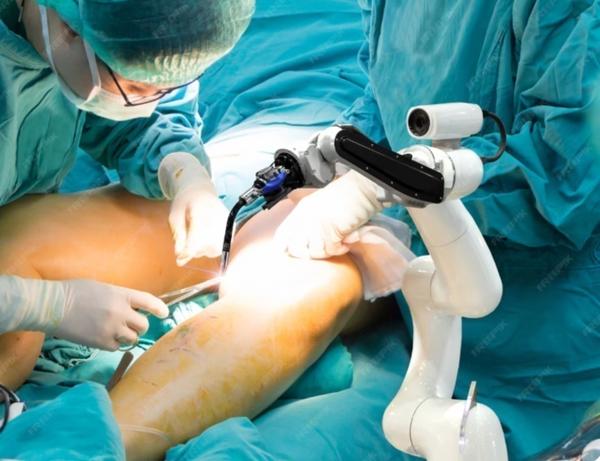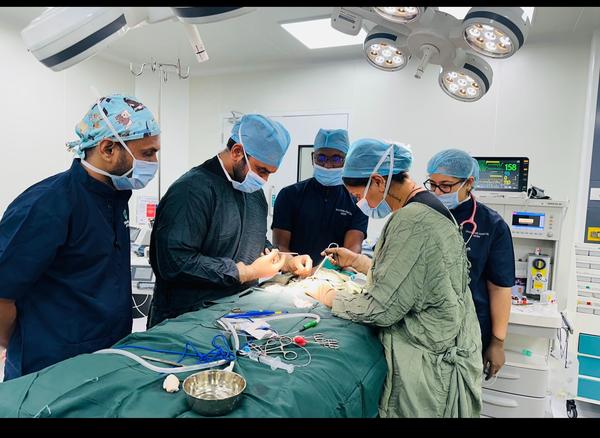


“Laser appendix surgery” sounds like a distinct treatment, but the phrase does not identify a standard appendectomy method. You will be able to ask the right questions, recognise emergency symptoms, compare laparoscopic and open surgery, and judge whether a Pune provider has the capability your condition requires.
Key takeaways
- “Laser” usually means laparoscopic appendectomy, not a separate operation.
- Severe right-sided abdominal pain, vomiting, fever, or worsening symptoms need urgent assessment.
- Laparoscopic surgery uses small incisions; open surgery may suit complicated cases.
- Ask about the surgeon’s procedure name, experience, hospital, and emergency access.
What does “laser appendix surgery” actually mean?
“Laser appendix surgery” is not a separate standard appendectomy. When comparing laser appendicitis surgery in Pune, ask for the recognised procedure name: laparoscopic appendectomy, open appendectomy, or initial antibiotic treatment for selected cases.
The established appendix surgery options are:
- Laparoscopic appendectomy: the surgeon removes the appendix through small abdominal incisions using a camera and instruments.
- Open appendectomy: the surgeon removes it through a larger incision, often chosen when infection, anatomy or safety makes keyhole surgery unsuitable.
- Initial antibiotic treatment: an option for selected adults with imaging-confirmed uncomplicated appendicitis. It does not guarantee that surgery will never be needed, and an appendicolith raises the risk of treatment failure and complications.
A clinic using “laser” should identify the actual device. It may mean electrosurgical energy or an ultrasonic energy instrument used during ordinary laparoscopy, not a distinct laser procedure. Ask for published evidence supporting any claim of less pain, fewer complications or faster recovery than standard laparoscopy.
Your preference for a laser cannot decide the operation. The surgeon must consider your examination, ultrasound or CT findings, anaesthesia assessment and the appendix’s condition, including perforation, gangrene, abscess or extensive inflammation. Ask what happens if the planned keyhole procedure becomes unsafe and conversion to open surgery is required.
How is appendicitis confirmed, and when is it an emergency?
Worsening pain that settles in the right lower abdomen needs prompt medical assessment, especially with fever, repeated vomiting, a rigid or increasingly tender abdomen, or fainting. Go to an emergency department rather than comparing appendix surgery options if these signs are present.
Pain alone does not confirm appendicitis. A clinician takes the symptom history and examines your abdomen, then may order a white-cell count, C-reactive protein and other blood tests. Urine testing can identify a urinary infection or stone that causes similar pain.
Ultrasound can show an inflamed appendix without radiation; CT can clarify an uncertain or atypical case and identify another abdominal problem.
The findings below change urgency and treatment:
- An uncomplicated inflamed appendix may suit laparoscopic appendectomy or, in carefully selected adults with imaging-confirmed disease, antibiotics with close follow-up.
- An appendicolith raises the risk of antibiotic failure and complications.
- Gangrene or perforation means damaged tissue or a hole has developed, increasing the need for hospital treatment and monitoring.
- An abscess or phlegmon may be treated with antibiotics, with or without image-guided drainage, followed by reassessment when the patient is stable.
- Generalised peritonitis, worsening sepsis, uncontrolled pain or clinical deterioration requires urgent operative care.
Do not wait for a clinic appointment if fainting, persistent vomiting, a rigid abdomen or rapidly worsening pain suggests infection has spread.
Who is a candidate for laparoscopic appendectomy?
Laparoscopic appendectomy is usually the sensible choice for adults and children with acute appendicitis when suitable equipment and experienced staff are available. It uses small incisions and generally causes less wound pain and fewer wound infections than open surgery, but it is not risk-free.
Recognised complications include:
- Bleeding or injury to the bowel, urinary structures or nearby organs
- Wound infection or an intra-abdominal abscess
- Anaesthetic complications or postoperative ileus
- Leakage from the appendiceal stump
- Conversion to open surgery when safe removal requires a larger incision
Antibiotics first can suit carefully selected patients with CT-confirmed uncomplicated appendicitis, no appendicolith, reliable follow-up access and a clear plan for worsening symptoms. It does not guarantee that surgery will be avoided: the APPAC five-year follow-up found late recurrence in 39.1% of patients, and an appendicolith raises treatment-failure and complication risks.
Extensive infection, perforation, dense inflammation, difficult anatomy or an unexpected finding can make open surgery safer, including after laparoscopy has begun.
Pregnancy requires prompt assessment, not delayed treatment. Ultrasound or MRI is commonly preferred to limit radiation exposure, while the operation depends on gestational age, anatomy, disease severity and surgical expertise.
Searches for appendix surgery options or laser appendix for surgery options in Pune should focus on the recommended operation, not the word “laser”; the surgeon should explain whether it means standard laparoscopy using electrosurgical or ultrasonic instruments.
How do laparoscopic and open appendectomy compare after consent?
After consent, laparoscopic appendectomy usually uses three small abdominal incisions, while open appendectomy uses one larger incision, usually in the right lower abdomen. Laparoscopic surgery often causes less wound pain and permits easier movement, but it offers no guaranteed recovery timetable.
| Option | Incisions and recovery | Restrictions and hospital stay |
|---|---|---|
| Laparoscopic appendectomy | Three small wounds; keep dressings clean and follow instructions for showering. Walking usually starts the same day, with observation until pain, eating and movement are satisfactory. | Return to desk work often comes sooner than after open surgery. Resume driving only when you can brake safely without significant pain; follow the surgeon’s lifting limit. |
| Open appendectomy | One larger wound; inspect it for spreading redness, discharge or wound separation. Pain and movement limitations are usually greater. | Walking still matters, but hospital observation and return to work often take longer. Driving and heavy lifting wait until wound pain and strength allow safe control. |
Perforation, gangrene, an abscess, peritonitis, a drain, intravenous or prolonged antibiotics, or another illness can extend recovery after either operation. A conversion from keyhole to open surgery is a safety decision, not a failed operation: the surgeon may enlarge an incision to control bleeding, separate stuck tissues, remove a damaged appendix safely or manage infection.
Every removed appendix should undergo histopathological examination. Pathology can reveal a neuroendocrine tumour, adenocarcinoma or another unexpected condition that appearance during surgery cannot reliably exclude.
How should you choose an appendix surgeon near Pune?
A laser label should rank below the surgeon’s emergency capability. Ask an appendix surgeon near Pune these four questions:
- What energy instrument will you use: electrosurgical, ultrasonic or a true laser?
- Is the planned operation laparoscopic appendectomy or open appendectomy?
- What evidence shows this device improves outcomes over standard laparoscopy?
- If the appendix has perforated, or keyhole surgery must be converted, how will you control infection and protect nearby bowel?
| Choice | What to verify | Why it matters |
|---|---|---|
| Laser-labelled procedure | The actual instrument and published evidence | “Laser appendix for surgery options in Pune” does not prove less pain, fewer complications or faster recovery |
| Laparoscopic appendectomy | Emergency expertise and equipment | It may offer easier recovery when infection and anatomy permit |
| Open or converted operation | Bleeding, dense inflammation, perforation and peritonitis plan | Conversion is a safety decision, not a failed operation |
Check that the provider has formal surgical training, emergency laparoscopic experience, 24-hour imaging, anaesthesia support and intensive-care backup. Confirm that every removed appendix goes for histopathology, and ask who provides image-guided drainage and treats a postoperative abscess.
DR PRATIK AJAGEKAR can fit this process as a Pune and Pimpri-Chinchwad surgical practice to contact for examination and a condition-specific recommendation, not as proof that laser treatment is automatically superior. Your scan, examination and infection severity should determine the operation.
Related service
Laparoscopic surgery Appendix Laparoscopic Appendectomy Laparoscopic appendectomy is a minimally invasive surgical procedure to remove an inflamed appendix. |
Frequently asked questions
What does “laser appendix surgery” actually mean?
“Laser appendix surgery” is not a standard appendectomy name. Ask whether the proposed procedure is laparoscopic appendectomy, open appendectomy, or antibiotic treatment for a selected uncomplicated case.
How is appendicitis confirmed, and when is it an emergency?
A clinician confirms appendicitis using your symptoms, abdominal examination, blood tests, and imaging such as ultrasound or CT when needed. Seek urgent care for worsening abdominal pain, pain moving to the lower right side, fever, repeated vomiting, a rigid abdomen, faintness, or severe weakness.
Who is a candidate for laparoscopic appendectomy?
Many patients with suspected or confirmed appendicitis can undergo laparoscopic appendectomy. Your surgeon decides after assessing the infection, previous operations, medical conditions, pregnancy status, and whether the appendix has ruptured.
How do laparoscopic and open appendectomy compare after consent?
Laparoscopic appendectomy uses several small incisions and usually causes less wound discomfort. Open appendectomy uses one larger incision and remains useful when infection is extensive, anatomy is unclear, or conversion is safer during surgery.
How should you choose an appendix surgeon near Pune?
Ask for the exact procedure name, the reason it is recommended, the surgeon’s general and laparoscopic surgery qualifications, the hospital where surgery will occur, anaesthesia arrangements, expected recovery, total fees, and emergency follow-up plan.