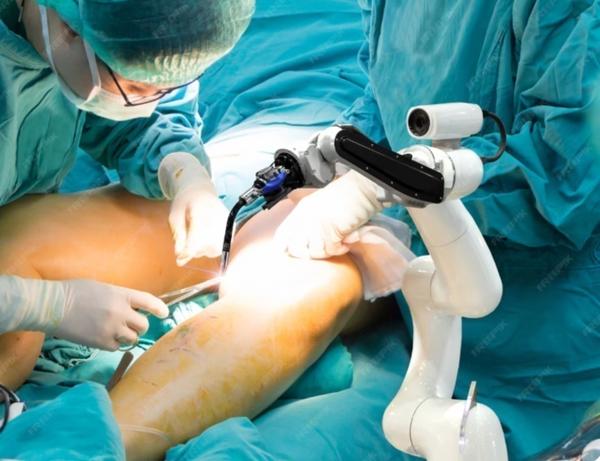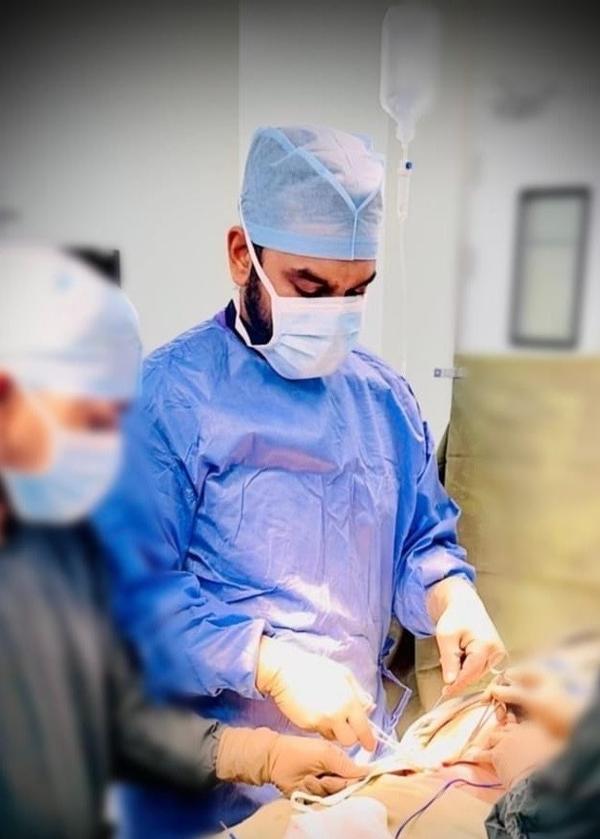


“Laser appendix treatment” is not a standard medical name for appendicitis surgery, and the advertised benefits usually come from the laparoscopic approach rather than a laser beam. You will learn how to recognise urgent symptoms, understand the treatment choices, and ask the right questions before choosing care in Pune.
Key takeaways
- “Laser appendix” usually means laparoscopic appendectomy, not an external laser.
- Seek urgent assessment for worsening right lower abdominal pain, vomiting or fever.
- Ultrasound or CT may help confirm appendicitis and exclude similar conditions.
- Ask when antibiotics are suitable and why surgery is recommended for your case.
What “laser appendix treatment” means in practice
“Laser appendix” is not a distinct standard operation. The practical benefit behind searches for laser appendix treatment in Pune, or laser appendix for treatment benefits in Pune, usually comes from laparoscopic appendectomy—not an external laser beam.
In laparoscopic appendectomy, the surgeon inserts a camera and instruments through small abdominal incisions, separates the appendix, controls blood vessels and removes the appendix. Electrosurgical or ultrasonic energy devices may divide tissue and control bleeding, but the device is different from the operation itself.
Laparoscopy commonly offers these advantages over open appendectomy when you are suitable for it and the required expertise and equipment are available:
| Option | Incisions and recovery | Practical trade-off |
|---|---|---|
| Laparoscopic appendectomy | Several small incisions, less postoperative pain, shorter admission and faster return to normal activity | Still requires anaesthesia and safe internal dissection |
| Open appendectomy | One larger incision and often slower recovery | May be necessary when laparoscopy is unsafe or complications require it |
Laparoscopy still carries risks, including bleeding, infection, bowel injury and anaesthesia complications. The removed appendix is usually sent for histopathology, which can identify unexpected disease, including rare tumours.
If a clinic advertises a laser procedure, ask:
- What is the operation’s formal name?
- Will the appendix be removed?
- Which energy device will be used?
These answers show whether “laser” describes a genuine laparoscopic treatment plan or only a marketing label.
Appendix symptoms that need urgent assessment
Appendicitis can start as pain around the navel that moves to the lower right abdomen. It often worsens when you walk, move or cough, and may come with loss of appetite, nausea, vomiting, fever, abdominal tenderness, diarrhoea or constipation. These appendix symptoms and treatment decisions need medical assessment, not a pain-location guess.
Children, older adults and pregnant patients may have pain in an unusual location or fewer classic symptoms. The absence of textbook right-sided pain does not rule out appendicitis.
Seek emergency assessment now for:
- Severe or rapidly worsening abdominal pain
- Persistent vomiting or inability to keep fluids down
- Fainting, confusion or marked weakness
- High fever or rapidly worsening illness
- A hard, rigid or swollen abdomen
- Pain that briefly improves, then returns severely
Brief improvement is not always reassuring. A perforated appendix can release pressure and reduce pain temporarily, then spill infection into the abdomen, causing peritonitis or sepsis.
Do not diagnose yourself from pain location, take leftover antibiotics or wait for a routine outpatient appointment when these warning signs are present. A clinician may need an examination, blood tests, urine testing and ultrasound or CT to determine whether appendicitis or another urgent condition is responsible.
How doctors confirm appendicitis and rule out similar conditions
Doctors confirm appendicitis through examination and testing, not pain location alone. They check tenderness, guarding, rigidity, swelling and pain with movement, then order blood tests for raised white-cell count and inflammation. Urine testing helps identify urinary infection or blood from a kidney stone.
Imaging depends on age, pregnancy, examination findings and available expertise.
| Test | Main value | Important limitation |
|---|---|---|
| Ultrasound | No radiation; useful for children and pregnancy | A normal or unclear scan does not always exclude appendicitis |
| CT scan | Highly accurate in adults with suspected appendicitis; shows complications | Uses ionising radiation |
Pregnancy requires prompt assessment, not dismissal as normal pregnancy discomfort. If surgery is needed, obstetric and anaesthesia teams should coordinate planning with the surgeon. Delayed treatment can allow rupture and infection.
Right-sided pain can also come from kidney stones, urinary infection, gastroenteritis, ovarian conditions, ectopic pregnancy or other bowel problems. Imaging may show an appendicolith, perforation, abscess or phlegmon; each finding can change the appendix symptoms and treatment plan.
A normal-looking appendix during surgery does not end the evaluation. The surgeon may inspect the bowel, pelvis and other structures for another cause, while the removed appendix should undergo histopathology to detect unexpected disease, including rare tumours. This approach prevents a misleading “normal appendix” conclusion and supports safer treatment decisions.
Appendicitis surgery options and when antibiotics are not enough
After imaging confirms uncomplicated appendicitis, selected adults can choose supervised antibiotics instead of immediate appendix removal. An appendicolith, perforation, abscess, diffuse peritonitis, worsening illness, or symptoms that fail to settle makes antibiotic-only treatment unsuitable or less appropriate.
| Option | What it involves | Main trade-off |
|---|---|---|
| Laparoscopic appendectomy | Camera and instruments through small abdominal incisions remove the appendix | Usually smaller wounds and faster recovery; bleeding, infection, bowel injury and anaesthesia risks remain |
| Open appendectomy | One larger incision removes the appendix | May be needed when laparoscopy is unsafe or complications require it |
| Antibiotics alone | Hospital-supervised treatment for carefully selected adults with imaging-confirmed uncomplicated disease | Recurrence and later surgery remain possible |
Antibiotics alone require medical supervision, observation and a clear plan for review. The APPAC trial found appendicitis recurrence in about 39% of antibiotic-treated patients within five years, with higher risk when an appendicolith was present. CODA found more complications and more later appendectomies among patients with an appendicolith.
An abscess or phlegmon can sometimes be treated with antibiotics plus image-guided drainage when feasible, followed by reassessment, rather than immediate surgery in every case. Drainage does not remove the need for urgent review if fever, pain or illness worsens.
Open surgery, including conversion from laparoscopy, is a safety decision—not a treatment failure. When comparing appendicitis surgery options in Pune, ask what the formal plan is; “laser appendix treatment in Pune” does not replace diagnosis, imaging or appropriate surgical judgment.
Questions to ask before choosing appendicitis care in Pune
Before consenting to a claimed laser procedure, ask whether the diagnosis is confirmed by ultrasound or CT and what operation is formally planned. Searches for laser appendix for treatment benefits in Pune should not replace comparing appendicitis surgery options in Pune by diagnosis, risk and recovery.
| Option | What it means | Key question |
|---|---|---|
| Laparoscopic appendectomy | Camera and instruments through small incisions; appendix is removed | Is conversion to open surgery possible? |
| Open appendectomy | Appendix removal through a larger incision | Why is open surgery safer for me? |
| Antibiotics or drainage | Selected uncomplicated cases may receive antibiotics; an abscess may need image-guided drainage | What finding makes surgery necessary? |
Use this checklist before signing consent:
- Will imaging confirm uncomplicated appendicitis, an appendicolith, perforation, abscess or phlegmon?
- Will the appendix be removed, and will it go to histopathology?
- If perforation or an abscess is found, will you use antibiotics, drainage or immediate surgery?
- How long is admission expected to last, including if drainage is required?
- What bleeding, bowel-injury, infection and anaesthesia risks apply if laparoscopy becomes open surgery?
- Who will review the pathology report, and what follow-up appointment and warning instructions are included?
A general and laparoscopic surgeon such as DR PRATIK AJAGEKAR can help patients in Pune and Pimpri-Chinchwad interpret symptoms, test findings and surgical choices. Severe worsening pain, fainting, confusion, persistent vomiting, high fever or a hard, swollen abdomen requires emergency assessment, not a clinic wait.
The meaningful benefit usually comes from accurate diagnosis, timely care and an appropriate laparoscopic operation—not the marketing label “laser.”
Related service
Laparoscopic surgery Appendix Laparoscopic Appendectomy Laparoscopic appendectomy is a minimally invasive surgical procedure to remove an inflamed appendix. |
Frequently asked questions
What does “laser appendix treatment” mean in practice?
“Laser appendix” is not a distinct standard operation. The phrase usually refers to laparoscopic appendectomy, which removes the appendix through small abdominal incisions using a camera and surgical instruments.
Which appendix symptoms need urgent assessment?
Worsening abdominal pain, especially pain moving to the lower right side, fever, vomiting, loss of appetite, abdominal tenderness or a rigid abdomen need urgent medical assessment.
How do doctors confirm appendicitis?
Doctors assess your symptoms and abdomen, then use blood tests and imaging such as ultrasound or CT when needed. These checks also help distinguish appendicitis from conditions with similar symptoms.
When are antibiotics not enough for appendicitis?
Antibiotics may not provide definitive treatment when the appendix has perforated, an abscess or widespread infection is present, symptoms persist, or recurrence risk makes appendectomy the safer option.
What should you ask before choosing appendicitis care in Pune?
Ask which operation is recommended, why it suits your findings, whether antibiotics are an option, what imaging shows, expected recovery time, possible complications and when to return for help.