“Laser gallstone surgery” can describe two different treatments: removing the gallbladder with standard laparoscopic surgery, or breaking a difficult stone inside the bile duct with laser energy. You will learn which symptoms need urgent care, which tests clarify the problem, and what to ask before choosing treatment.
Key takeaways
- Laparoscopic cholecystectomy removes the gallbladder; it does not usually laser individual stones.
- Seek emergency care for severe pain, fever, jaundice, repeated vomiting, or confusion.
- Ultrasound checks the gallbladder; liver tests and MRCP help assess bile-duct stones.
- Ask about ERCP, recovery time, complications, and whether observation is safe for you.
What does “laser gallstone surgery” actually mean?
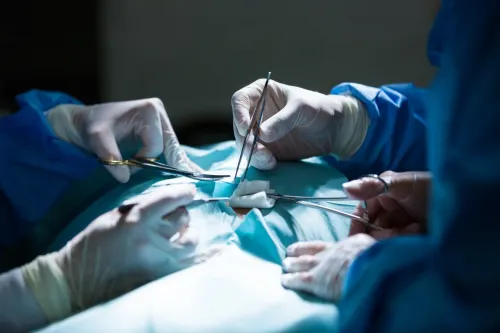
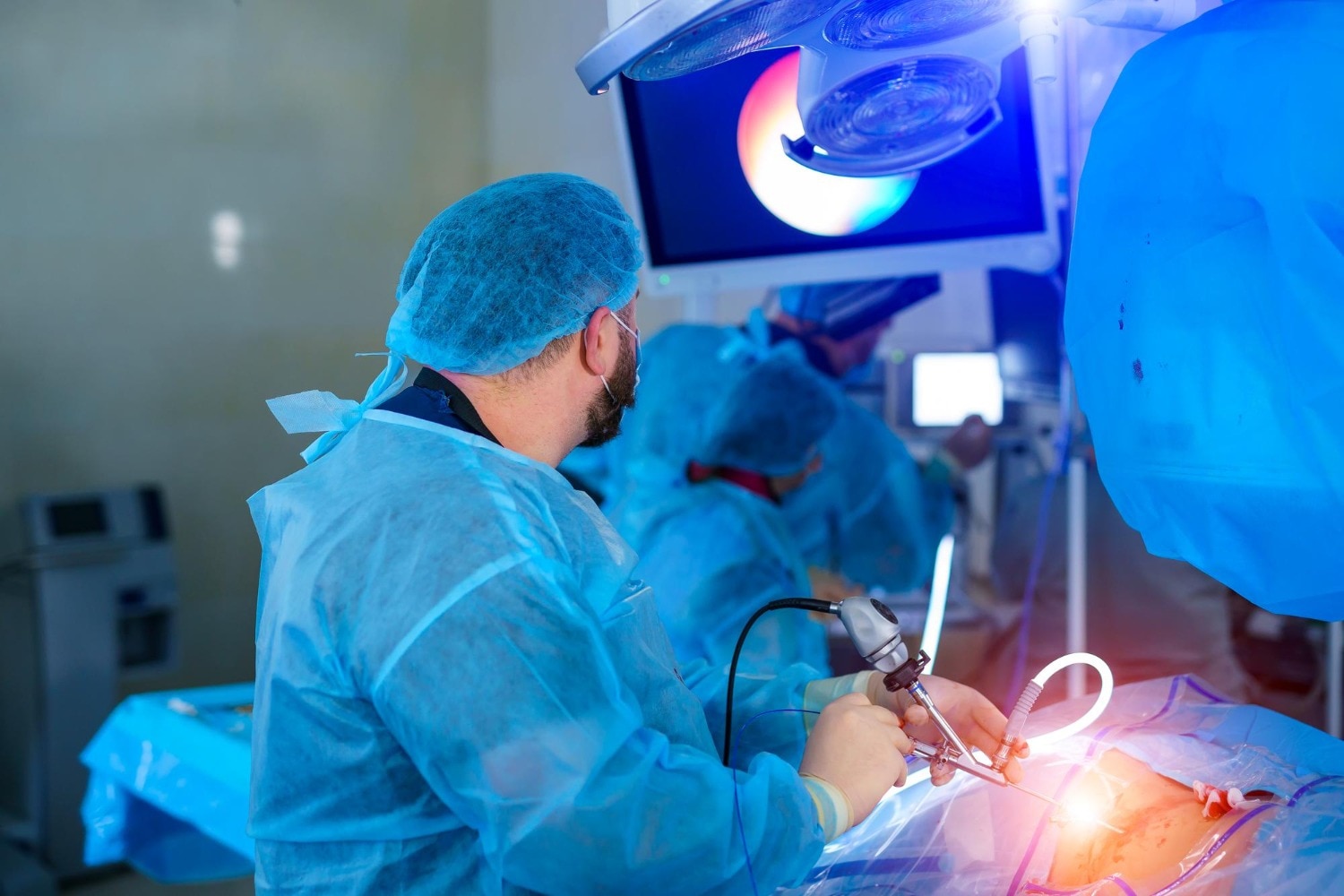
“Laser gallstone surgery” is not the usual name for standard gallbladder removal. For symptomatic stones inside the gallbladder, the established operation is laparoscopic cholecystectomy: the surgeon removes the gallbladder through small abdominal incisions instead of breaking individual stones with a laser.
Laser lithotripsy is a separate, specialised procedure. In selected difficult stones lodged in the common bile duct, an endoscope with cholangioscopy can guide laser energy to fragment the duct stone so it can be removed. The gallbladder may still require removal if it contains the stones that caused the problem.
Before comparing providers advertising laser gallstone treatment in Pune, ask which of these procedures is actually proposed:
- Gallbladder removal: laparoscopic cholecystectomy for symptomatic gallbladder stones.
- Bile-duct stone extraction: endoscopic treatment, sometimes with laser lithotripsy and ERCP.
- Another stone procedure: a treatment chosen for a specific location, obstruction or surgical risk.
A search for laser gallstone surgery for laparoscopic surgeon in Pune should lead to questions, not assumptions. Ask whether your ultrasound and liver tests show gallbladder stones or a common-bile-duct stone, and whether MRCP or ERCP is needed.
Right-upper-abdominal pain after meals, nausea or vomiting needs assessment. Persistent severe pain, fever, jaundice, confusion, repeated vomiting, dark urine or pale stools requires urgent medical care rather than a routine consultation.
Which gallstone symptoms need a routine assessment or emergency care?
Steady, moderate-to-severe pain in the right upper abdomen or upper middle abdomen, especially after a meal, deserves assessment when it lasts more than 30 minutes or spreads to the right shoulder or back. Nausea and vomiting can accompany this pattern.
Brief indigestion alone does not prove that gallstones caused the symptoms, and unrelated discomfort can continue after gallbladder surgery.
| Situation | Symptoms | Action |
|---|---|---|
| Routine assessment | Recurrent post-meal pain lasting over 30 minutes, with nausea but no fever, jaundice, confusion or uncontrolled vomiting | Arrange a clinical review and discuss ultrasound and blood tests |
| Emergency assessment | Persistent severe pain, fever or chills with abdominal pain, yellow eyes or skin, dark urine, pale stools, confusion, repeated vomiting or inability to keep fluids down | Seek emergency care immediately |
These warning signs can indicate an infected or blocked bile duct, acute gallbladder inflammation or another serious abdominal problem. Treatment may require antibiotics, urgent drainage or ERCP, so do not wait for a routine gallstone surgery consultation in Pune.
Go to an emergency department if you feel faint, confused or unable to drink. A clinician can decide whether the problem needs urgent treatment first, rather than elective surgery planning.
What tests show whether the gallbladder or bile duct needs treatment?
An abdominal ultrasound and liver-function blood tests usually show whether the problem is confined to the gallbladder or involves the bile duct. Ultrasound can identify gallstones, gallbladder-wall thickening or surrounding fluid suggesting inflammation, and a widened bile duct.
The blood tests should include bilirubin and liver enzymes such as ALT, AST, alkaline phosphatase and GGT. Abnormal results can indicate impaired bile flow, even when the ultrasound does not show a duct stone clearly.
A proper gallstone surgery consultation in Pune should establish:
- Whether the ultrasound shows stones inside the gallbladder, signs of acute cholecystitis or bile-duct dilatation
- Whether bilirubin and liver enzymes are normal or suggest obstruction
- Whether MRCP or endoscopic ultrasound is needed when the duct is widened, blood tests are abnormal or a common-bile-duct stone is suspected
- Whether ERCP is being planned to remove an obstruction, rather than only to obtain images; ERCP has procedural risks, including pancreatitis, bleeding, infection and perforation
- Whether treatment is being considered for recurrent biliary-colic attacks, acute cholecystitis, gallstone pancreatitis, obstructive jaundice, cholangitis or another stone-related complication
A scan alone does not usually justify surgery when stones are found incidentally in a person without symptoms. Observation is often appropriate, while symptoms, blood results and complications guide the decision. If fever, jaundice, confusion or persistent severe pain is present, seek urgent assessment instead of arranging a routine consultation.
How do surgery, observation, medicines and ERCP compare?
A symptom-free gallstone often needs observation, not immediate surgery. Treatment changes when attacks, inflammation, pancreatitis, jaundice or another complication develops.
| Option | What it does | Main limitation |
|---|---|---|
| Observation | Monitors symptom-free stones | Does not remove stones if pain or complications begin |
| Ursodeoxycholic acid | Slowly dissolves selected cholesterol stones | Does not suit every patient; stones can return after treatment |
| Laparoscopic cholecystectomy | Removes the gallbladder and its stones | Requires an operation, but prevents the gallbladder from producing further stones |
| ERCP | Removes stones from the common bile duct using an endoscope | Leaves the gallbladder in place, so its stones can cause future problems |
ERCP is therefore not a replacement for gallbladder removal in every patient. If the gallbladder still contains stones and symptoms or complications continue, a separate cholecystectomy may be recommended. A laparoscopic surgeon treating gallstones in Pune should clarify whether the target is the gallbladder, the bile duct or both.
Keyhole surgery is converted to an open operation when inflammation, bleeding, scarring or unclear anatomy makes dissection unsafe. Subtotal cholecystectomy is another safety option. Before dividing anything, the surgeon should obtain the critical view of safety by clearly identifying the cystic duct and cystic artery; forceful dissection risks injuring the common bile duct.
A consultation for gallbladder surgery in Pune should cover this plan, including possible conversion and follow-up for bile leak, infection or retained duct stones.
What should you ask a laparoscopic surgeon before choosing treatment in Pune?
Start by asking whether your symptoms actually fit biliary disease, rather than assuming every abdominal pain comes from gallstones. Ask a laparoscopic surgeon treating gallstones in Pune to explain whether stones are in the gallbladder or common bile duct and what the ultrasound, bilirubin and liver-enzyme results show.
- Do I need MRCP or endoscopic ultrasound, or is ERCP needed to treat a suspected duct obstruction?
- How will you manage difficult anatomy, inflammation or scarring, and reduce bile-duct injury risk?
- When would you convert to open surgery, and what would make that safer?
- How will you review me if bile leak, infection or a retained duct stone develops?
- Does this hospital provide anaesthesia cover, emergency surgery, imaging and ERCP support at all hours?
| Test or finding | Question it answers | Possible next step |
|---|---|---|
| Ultrasound | Are stones, inflammation or a widened duct visible? | Plan observation, surgery or further imaging |
| Liver tests | Is bilirubin or an enzyme pattern suggesting obstruction? | Consider MRCP, endoscopic ultrasound or ERCP |
| MRCP or endoscopic ultrasound | Is a common-bile-duct stone present? | Confirm whether duct treatment is needed |
| ERCP | Is drainage or stone extraction required now? | Treat obstruction; it is not merely a scan |
Compare the named procedure, surgeon’s biliary experience and hospital backup—not a “laser” label or price alone. A consultation with DR PRATIK AJAGEKAR should also cover recovery: bile continues from the liver after removal, but persistent diarrhoea, bloating or food intolerance needs review for a leak, infection, retained stone or another cause.
Related service
Laparoscopic surgery Laparoscopic Cholecystectomy Laparoscopic cholecystectomy is a minimally invasive surgical procedure to remove the gallbladder, often due to... View service → |
Frequently asked questions
What does “laser gallstone surgery” actually mean?
For symptomatic gallstones, the standard operation is laparoscopic cholecystectomy, which removes the gallbladder through small abdominal incisions. It does not usually break individual gallstones with a laser.
Which gallstone symptoms need emergency care?
Seek urgent medical care for severe or persistent upper-right abdominal pain, fever, jaundice, repeated vomiting, confusion, or marked weakness. Less severe, short-lived symptoms still need a routine assessment if they recur.
What tests show whether the gallbladder or bile duct needs treatment?
An abdominal ultrasound looks for gallstones, gallbladder inflammation and bile-duct widening. Blood tests such as bilirubin, alkaline phosphatase, AST and ALT assess obstruction or inflammation. MRCP or endoscopic ultrasound can investigate suspected bile-duct stones.
How do surgery, observation, medicines and ERCP compare?
Laparoscopic cholecystectomy treats a symptomatic gallbladder by removing it. Observation suits selected people without symptoms or complications. Medicines have a limited role and do not suit every stone. ERCP removes stones from the common bile duct, not usually stones left inside the gallbladder.
What should you ask a laparoscopic surgeon before choosing treatment in Pune?
Ask whether your symptoms match gallstones, which tests you need, whether a bile-duct stone is suspected, why surgery or observation is recommended, what ERCP would involve, and how recovery and complications will be managed.